



What Is a Wabi Sabi Hotel? Inside Silverland Sakyo’s Approach to Calm and Imperfect Beauty
10/09/2026A piece of wood can hold your attention longer than an elaborate decoration. Its grain takes an uneven turn; a […]
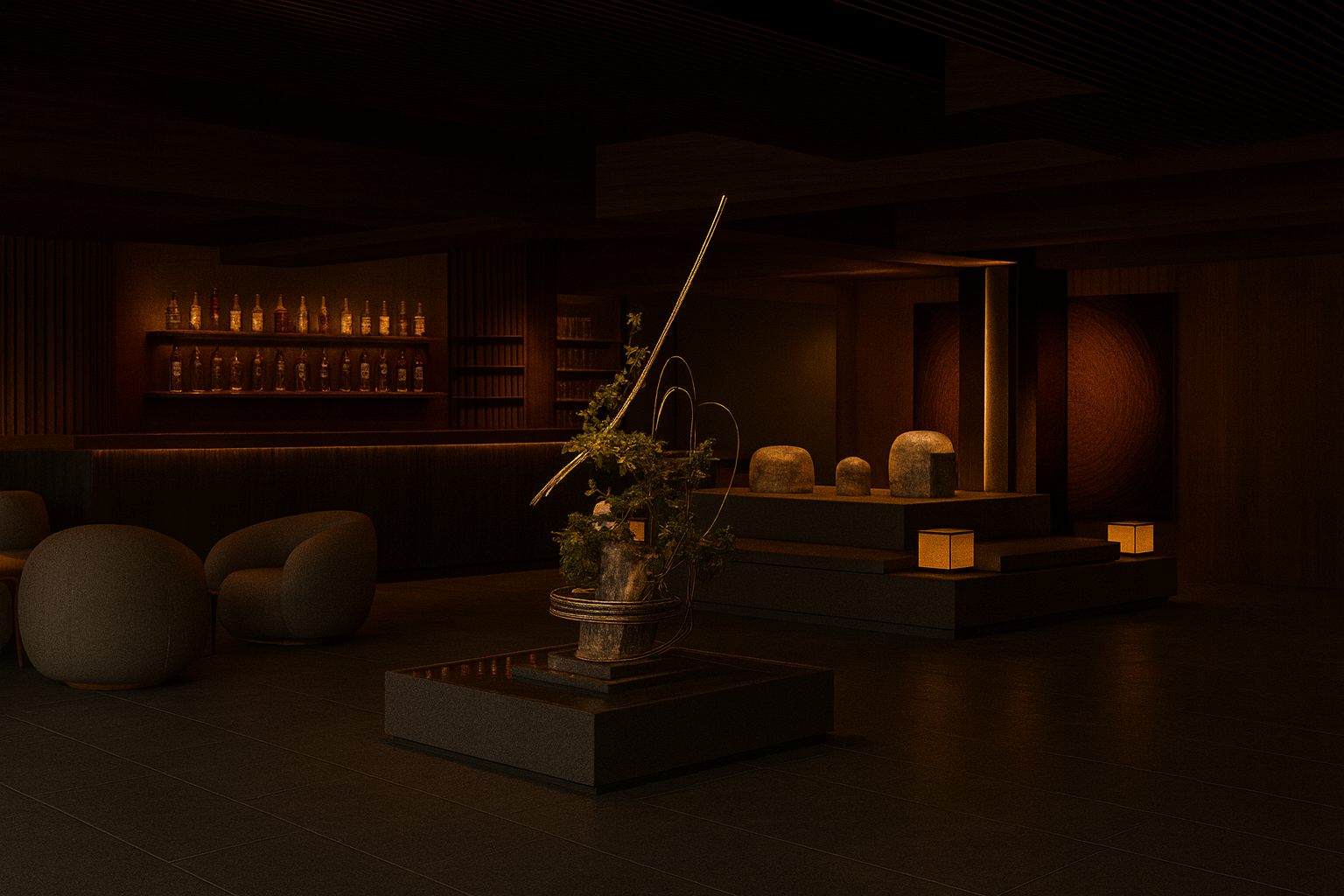
A piece of wood can hold your attention longer than an elaborate decoration. Its grain takes an uneven turn; a mark remains where the surface has weathered. At Silverland Sakyo, driftwood is part of the hotel’s design story, offering a way into the idea behind a Wabi Sabi hotel. You can begin with that small detail before thinking about the philosophy. Perhaps you notice it on arrival, or look again while waiting to go out for dinner. The interest lies in being allowed to see the material as it is, with the traces that give it character. It is a fitting introduction to a hotel that brings Japanese aesthetic influences into a stay in Saigon’s Little Japan.
Table of Contents
What is a Wabi Sabi hotel?
A Wabi Sabi hotel draws on a Japanese aesthetic that finds beauty in impermanence and imperfection. The Japan National Tourism Organization explains this outlook through craftsmanship and the appreciation of objects shaped by time. In a hotel, the phrase describes a design approach: attention to natural character, modest details and the qualities that make a material individual.
Think of the difference between glancing at a surface and noticing its grain. The latter asks for a little more attention. A piece of weathered wood can be interesting because its outline has changed, and because those changes remain visible. You do not need specialist knowledge to appreciate that distinction; you can begin with whatever catches your eye.
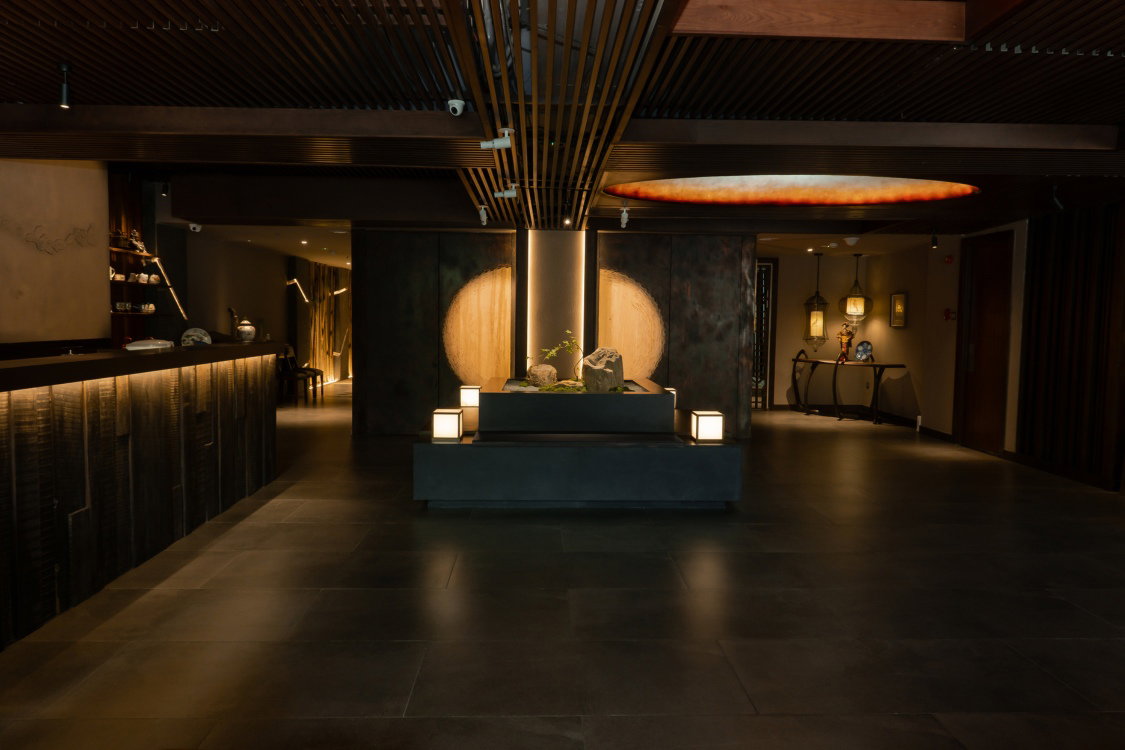
For a guest, the useful question is how that outlook appears in the place you are choosing. Look for specific materials and thoughtful arrangements that you would enjoy spending time around. At Sakyo, driftwood provides a tangible starting point, while the hotel’s wider Japanese influences give the idea a setting within everyday moments of a city stay.
How the idea translates into hospitality
Design becomes part of hospitality when it makes sense in the time you actually spend at a hotel. A room has to welcome you back after an outing; a shared space needs to feel comfortable enough for you to sit without looking for the next thing to do. An aesthetic becomes meaningful through those ordinary uses.
Natural materials and visible craftsmanship can give that time something to rest on. You might notice a wooden detail while putting your bag down or look at a garden while a companion finishes getting ready. The experience does not depend on understanding every reference in the room. There is pleasure in discovering a detail gradually, over the course of several days.
At Hotel Okura Kyoto Okazaki Bettei, for example, the designers describe working with craftspeople and natural materials to express Japanese aesthetics through the spaces guests use. It is a useful reminder that these ideas can have different forms in different hotels. For Sakyo, the question is how Japanese influences sit alongside the character of Saigon and the comfort you want when you return from its streets.
Sakyo’s interpretation: Japanese influences, a Saigon address
Silverland Sakyo is located at 10A, 10B and 10C Le Thanh Ton, Sai Gon Ward, in the area known as Little Japan. The hotel describes its identity through the meeting of Japanese culture and Saigon. That makes the city an essential part of the setting, even when you are drawn to the quieter qualities of the interior.
Its design story gives Wabi Sabi a particular expression through driftwood whose marks and curves have been retained. The idea is close enough to see: a natural form becomes something you can notice on your way through the hotel. The story starts with the material, then leaves you room to respond to it in your own way.
This is an appealing combination if you enjoy being connected to a neighbourhood while having a familiar place to return to. You might spend the evening choosing somewhere to eat nearby, then come back to the same details you noticed that morning. The Japanese references remain part of the experience, with the city outside giving each day its own direction. The Japanese style hotel guide offers a wider introduction to that design context in Ho Chi Minh City.
Materials and design: what to notice in a Wabi Sabi hotel
The driftwood arrangement is one starting point; the stonework offers another. Sakyo’s published design account describes a grey stone wall with water at the lobby and a small dry garden opposite the lobby bar. These elements invite different kinds of attention, from the outline of an individual piece of wood to the spacing between stones.
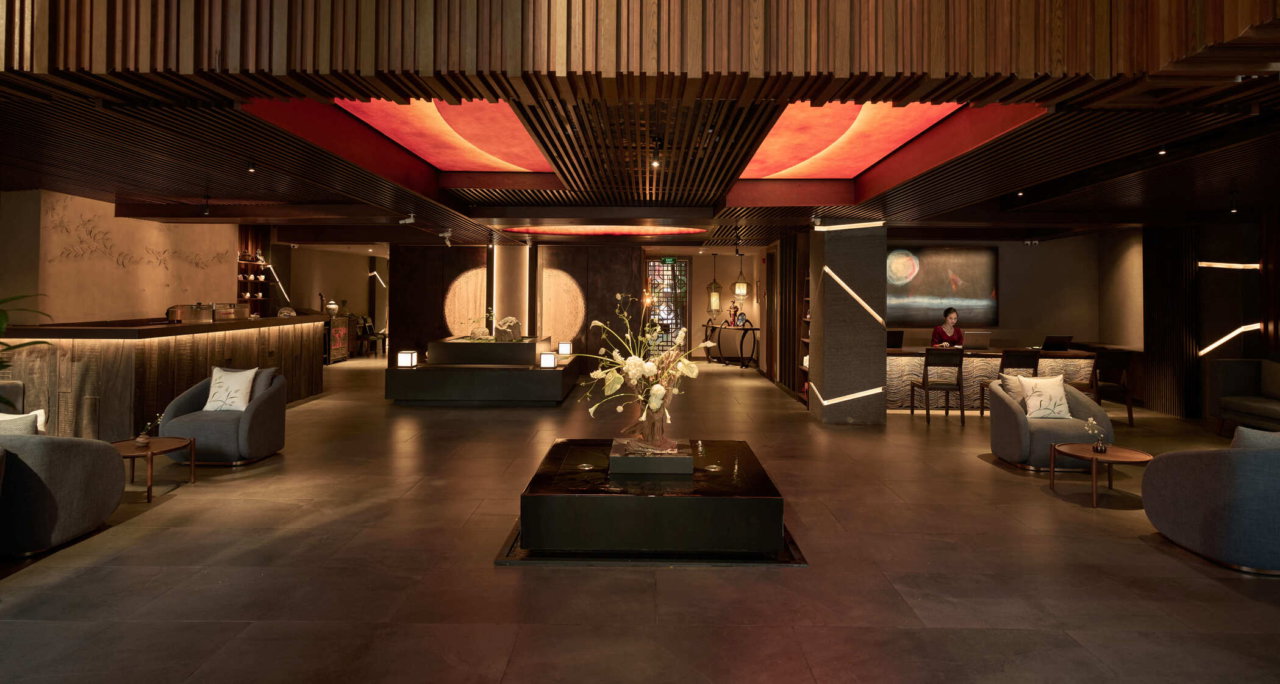
The garden is described as karesansui, with rocks and white gravel. It belongs to the hotel’s Japanese design vocabulary alongside the Wabi Sabi references. Looking at the arrangement can be enough in itself. You might notice an uneven rock surface first, then the space around it, without needing to attach a lesson to every object.
Wood continues into the room descriptions, including the warm accents of Solace Premier. That gives the material story a more domestic scale. What appears as a display downstairs becomes part of the setting where you unpack, read or get ready for the evening.
A useful way to look around is to choose one detail and follow it. Notice how wood appears in one space, then how it is used in another. The hotel becomes easier to remember through those specific things than through a collection of broad style labels.
An atmosphere you can make time for
The atmosphere of a stay is partly shaped by what you leave room for. You could come downstairs a little before you need to leave, sit for a while and take in the garden. Later, you might return from the neighbourhood with enough time to rest before dinner. Those small intervals let you experience the hotel beyond the moment of arrival.

Daylight and outlook can also influence the room you enjoy. Solace Premier is described with natural light and wood accents; Sanctuary Executive has high windows and city views. Symphony Deluxe has an internal window, offering a different setting. Choosing among them lets you give some thought to the hours you will spend inside, as well as the places you plan to visit.
You may prefer seeing the city from your room, or be happy with an inward outlook while spending more time outside. Neither choice needs to become a statement about your travel style. The point is to find a space that suits you. Sakyo’s design offers things to notice, while the shape of the day remains yours to decide.
Who might enjoy staying here?
Sakyo is worth considering if you are interested in Japanese influenced design and want to stay close to the life of Little Japan. It may appeal to a couple planning evenings in the neighbourhood, a solo traveller who enjoys taking time over interiors, or a business guest who wants a room they will enjoy returning to after the working day.
Your room choice brings the idea down to practical preferences. Do you want more space, a twin bed arrangement or an outlook towards the city? The current categories below make those differences easier to see. All are listed for 2 guests on the hotel page, reviewed on 10 September 2026.
| Room | Size | Published bed arrangement | Detail for your choice |
|---|---|---|---|
| Stillness Studio | 24 m² | King | The smallest of these categories |
| Serene Standard | 30 m² | King or twin | An option when separate beds matter |
| Symphony Deluxe | 30 m² | King or twin | An internal window |
| Solace Premier | 30 m² | King | Natural light and wood accents |
| Sanctuary Executive | 40 m² | King | High windows and city views |
| Sakyo Suite | 45 m² | King | More space; balcony or window sofa layouts are described |
For Sakyo Suite, choose with the layout in mind if a balcony is important to your stay. A little attention to the room photographs can be as useful as attention to the overall design story.
FAQ
What is a Wabi Sabi hotel?
A Wabi Sabi hotel uses ideas of impermanence, natural character and imperfect beauty to inform its design. The term helps describe an aesthetic approach. When choosing a stay, look for the particular materials and spaces behind the description, then consider whether you would enjoy spending time around them during the quieter parts of your trip.
Is there a Wabi Sabi hotel in Ho Chi Minh City?
Silverland Sakyo is an option in Ho Chi Minh City whose published design story explicitly refers to Wabi Sabi. Located in Little Japan, it uses driftwood and natural material references as part of a broader Japanese influenced setting. It is worth exploring if you want those design interests to be part of a central Saigon stay.
What Wabi Sabi details can I see at Silverland Sakyo?
The driftwood arrangement is the clearest example described in the hotel’s design story, which values the wood’s existing marks and curves. Nearby stonework and a dry garden add to its wider Japanese references. Allowing a little time downstairs gives you a chance to notice these details before continuing with your plans for the day.
Are Wabi Sabi and Zen the same thing?
They are related references within Japanese culture, but they should not be used as interchangeable labels. Wabi Sabi concerns an appreciation of impermanence and imperfect beauty, while Zen refers to a Buddhist tradition. Sakyo’s design story mentions both. You can appreciate its materials and garden without treating the hotel as a place of religious practice.
Which Sakyo room should I choose for daylight and a city view?
Sanctuary Executive is explicitly described with high windows and city views, while Solace Premier is described with natural light. Start with those categories if daylight is important to you, then compare the room images. Symphony Deluxe has an internal window, so its outlook offers a different experience from a room looking towards the street.
Is Silverland Sakyo only suited to guests interested in Japanese design?
No. Its design can be something you enjoy casually during an otherwise busy city stay. You may choose the hotel for its Little Japan location, room layout or the convenience of returning between outings. The materials and garden simply give you more to notice when you have a moment, without needing to plan a separate activity around them.
Plan a stay at this Wabi Sabi hotel in Saigon
If the idea of a Wabi Sabi hotel appeals to you, the practical next step is to look at the spaces themselves. Explore the rooms at Silverland Sakyo and consider which setting you would like to spend an unhurried morning in. That is often where a hotel’s character becomes personal.
他にもありますか。

What’s Around Silverland Yen: A Walking Guide to District 1’s Museum Quarter
Silverland Yen stand...
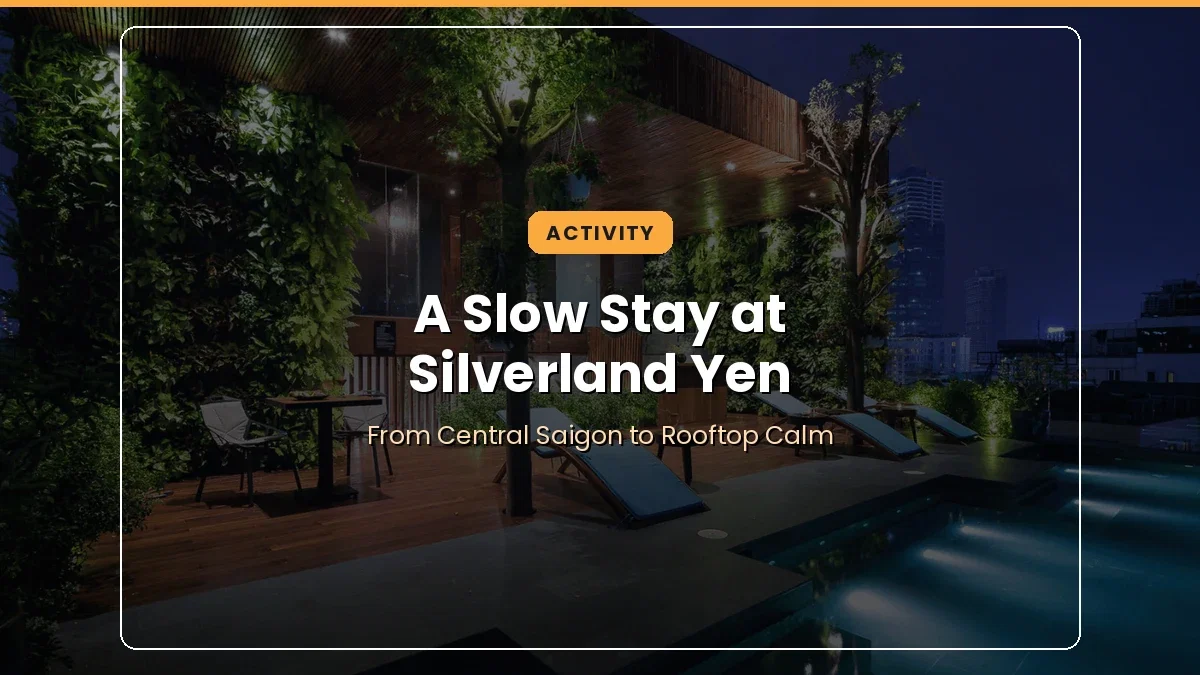
From Central Saigon to Rooftop Calm: A Slow Stay at Silverland Yen
Silverland Yen is a ...