



Afternoon Tea vs High Tea: What’s the Real Difference?
29/08/2026Booking afternoon tea or high tea in Saigon? The names have been swapped for a century. Here is what each actually means, and what The Nest serves.
Afternoon tea vs high tea: somewhere along the way, most menus got this backwards. Ask ten people which sounds fancier, and nine will say high tea. It’s the opposite of true, and once the story behind both names comes out, the mix-up makes a strange kind of sense.
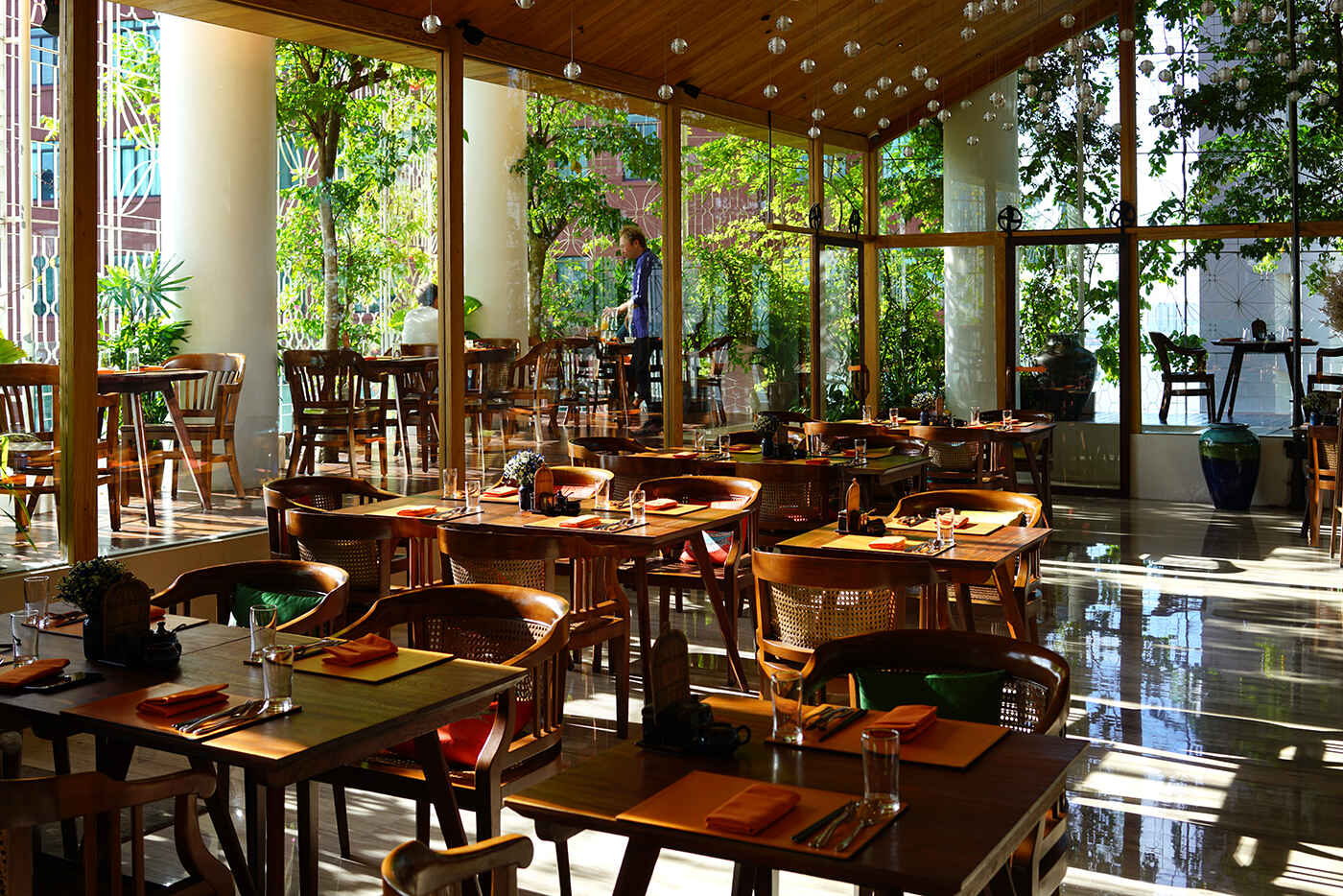
The Nest, 12th floor of The Myst Dong Khoi, where both breakfast and afternoon tea are served in the glass-walled dining room.
Afternoon Tea vs High Tea: The Short Version
Afternoon tea is the light one: tea, finger sandwiches, scones, small cakes, taken around three or four in the afternoon purely for pleasure. High tea was the heavy one, a working family’s early evening meal, hot food eaten at an ordinary dining table after a full day’s labor. Nothing about the word “high” ever meant luxury. It meant the height of the table.
Where the Names Actually Came From
Afternoon tea has a name and a date attached to it. In the 1840s, Anna, Duchess of Bedford, found the gap between an early lunch and a fashionably late dinner unbearably long, and started asking for tea, bread, and cake brought to her room mid-afternoon. She began inviting friends. The habit spread through polite society, and within a generation it had turned into the ritual now sold as The Nest Restaurant‘s afternoon service and hundreds like it around the world.
High tea came from somewhere entirely different. In the industrial north of England and Scotland, mill and field workers came home hungry in the early evening and sat down to a real meal, hot dishes, cold meats, bread and cheese, strong tea poured alongside it, all served flat on the household’s regular dining table. It wasn’t a treat. It was supper, and the table it was eaten at happened to be a tall one, unlike the low, cushioned tea tables the afternoon crowd lounged around. That’s the entire root of the word “high.” Furniture, not fashion.
Why Everyone Assumes High Tea Is Grander
Hotels figured out decades ago that “high tea” simply sounds more expensive than “afternoon tea,” and started borrowing the name for the dainty tiered-stand version, regardless of what the term used to mean. The habit stuck so thoroughly that the original meaning now reads like a trivia question. The confusion around afternoon tea vs high tea runs deep: ask for high tea today almost anywhere in the world, including most of Vietnam, and what actually arrives is afternoon tea in a nicer-sounding wrapper.
- Afternoon tea runs mid-afternoon, roughly three to five o’clock, built to bridge lunch and dinner rather than replace either
- High tea historically ran early evening, five to six o’clock, and stood in for dinner itself
- Afternoon tea is light and stacked, sandwiches and pastries on a tiered stand; high tea was hearty and flat, hot dishes spread across the table
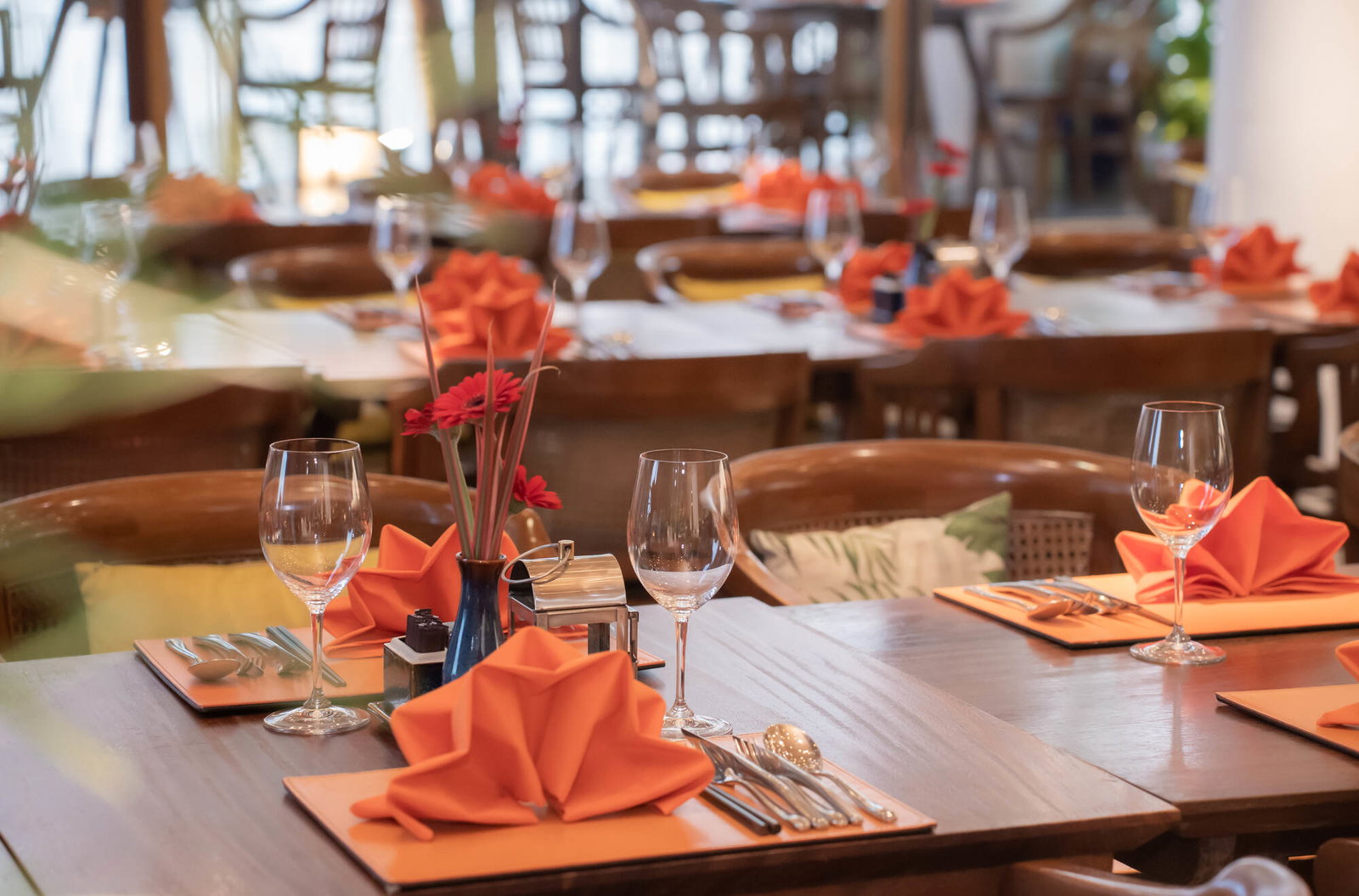
What most menus mean by “high tea” today: the light, tiered spread that history actually calls afternoon tea.
What Vietnam Actually Serves
In Vietnam the two names blur further, and mostly for good reason. Menus reach for “high tea” and “afternoon tea” almost interchangeably, and both nearly always point to the same thing, a light, elegant tiered spread served in the afternoon. The Vietnamese term for it, tra chieu, sidesteps the whole argument by simply meaning afternoon tea, no historical baggage attached, and it carries its own local warmth: a slower stretch of the day set aside on purpose, closer in spirit to a Saigon coffee break than to a formal English rite.
At The Myst Dong Khoi, the version on offer follows the true afternoon tea in Saigon format, whatever label ends up printed on the menu that season.
How The Nest Does It
By two in the afternoon, the light through The Nest’s windows has already turned softer, less the sharp glare of midday and more the kind that makes a slow hour feel earned. The wooden boat that carried the morning buffet has been cleared, wiped down, and left to sit empty for a while, a small pause between one ritual and the next.
What replaces it isn’t loud. A tiered stand appears at each table instead: warm scones still giving off a little steam, finger sandwiches cut close and neat, small pastries glazed just enough to catch the light. Tea gets poured slowly, refilled without being asked, the way a good afternoon tea is supposed to unfold rather than arrive all at once.
The Nest runs this high tea service daily from 2:00 PM to 4:00 PM, in the same room where breakfast wraps up a few hours earlier. The kitchen leans into the same Vietnamese-and-international fusion that runs through The Nest’s wider dining program, so the stand changes with the season rather than repeating a fixed British template, but the pace stays the same: unhurried, meant to be lingered over, built for conversation rather than a clock.
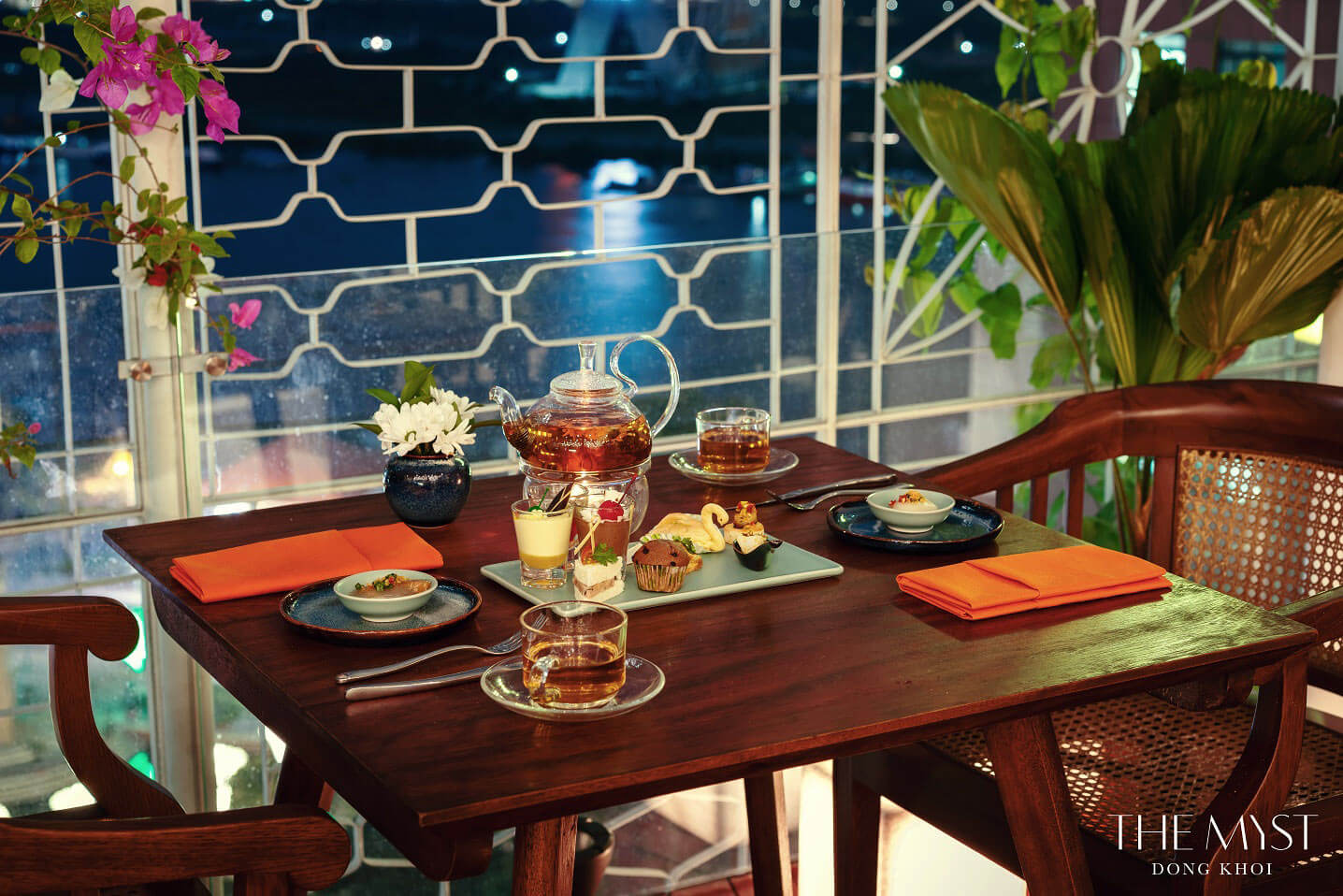
Late afternoon light at The Nest, the hour the room settles into its slower rhythm.
The Easiest Plan on a Day With No Plan
Saigon has a rainy season that doesn’t ask permission. A downpour can close down an afternoon of sightseeing in minutes, and even without the rain, most trips include at least one day that was never going to have an itinerary, a longer stay where the museums are done, or simply an afternoon nobody had the energy to plan. That’s exactly the gap afternoon tea is built to fill.
Rather than working out where to go, how to get there, and whether it’s worth fighting the traffic for, the answer is already inside the same building, an elevator ride away rather than a taxi ride. No traffic, no research, no risk of showing up somewhere overhyped and underwhelming. Just a table, a view, and an hour that asks nothing of the day except to slow down. It’s less an activity than a change of scenery within the same address, a way to feel like the afternoon did something without it costing any effort at all.
For anyone weighing up what to do next, Silverland Hospitality runs a handful of hotels across District 1 with the same kind of quiet afternoon spot built in, useful to know if the hotel a guest happens to be staying at doesn’t have one.
There’s a cultural layer to it too. Afternoon tea gives a guest a reason to slow down and actually notice where they are, the light, the food, the small local touches worked into an otherwise familiar ritual, without needing to seek that out somewhere across town. It’s a soft, easy way to feel the character of a place, less a sightseeing stop than something to sink into: relaxed, unhurried, and still every bit as indulgent as an afternoon spent elsewhere.
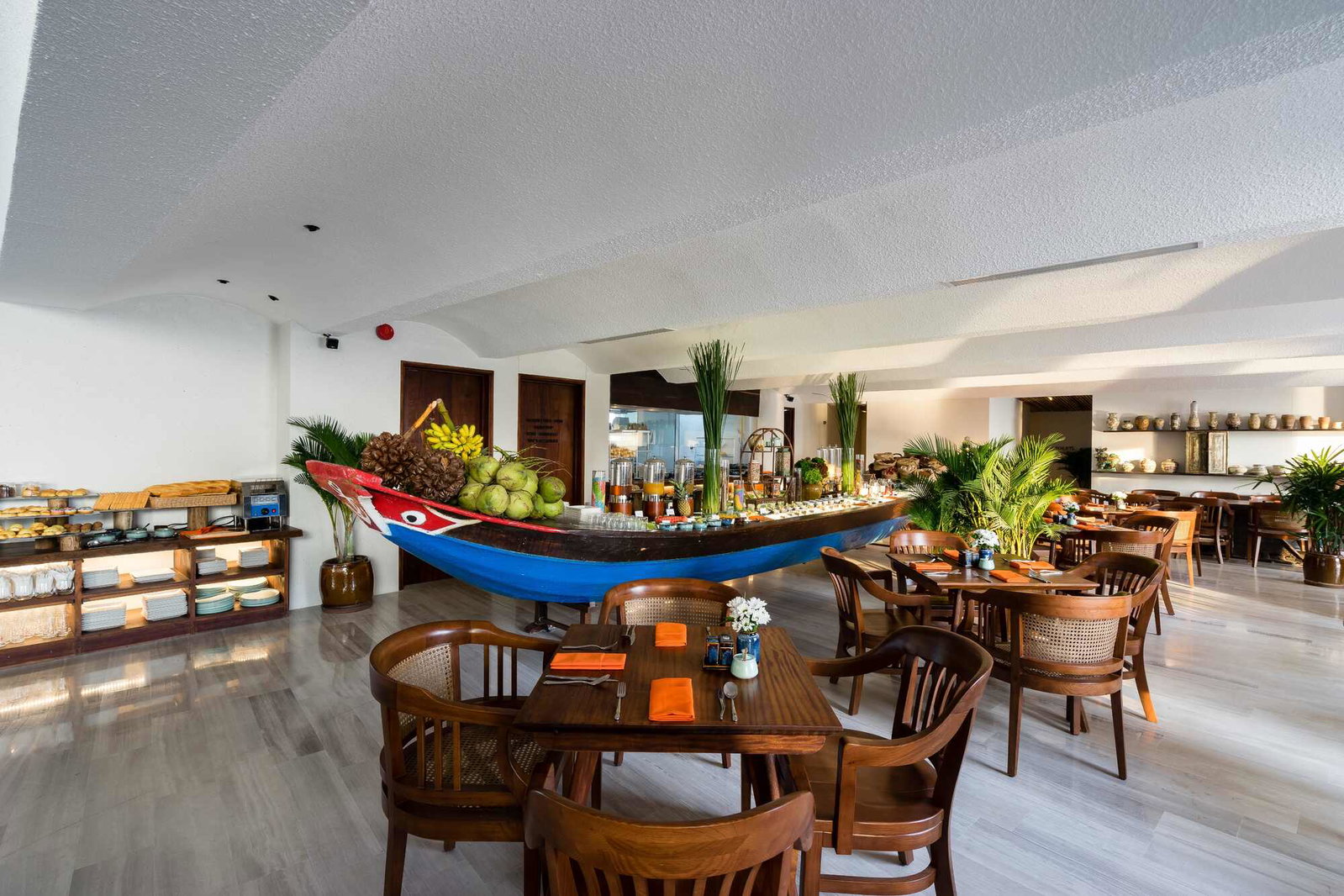
The Nest’s dining room, where the wooden boat buffet makes way for the tiered afternoon tea stand later in the day.
Booking Afternoon Tea, Solo or in a Group
A window table is worth requesting when booking, since the room fills in fastest around the light in late afternoon. The Nest is part of a wider set of dining and stay experiences across Silverland’s properties, useful to know if a specific room or view is what’s driving the booking. For a larger group, a private afternoon tea, or a full buyout of the space, Silverland Banquet arranges bookings beyond a standard table for two.
Frequently Asked Questions
What is the actual difference between afternoon tea and high tea?
Afternoon tea is a light spread of tea, finger sandwiches, scones, and small sweets served mid-afternoon as a treat between meals. High tea was historically a hearty early-evening meal with hot dishes, eaten at a tall dining table in place of dinner. Afternoon tea is the delicate one; high tea was the filling one, despite what the name suggests.
Why is high tea called “high” if it isn’t fancy?
The word refers to the height of the table it was eaten at, not to luxury or high society. High tea was taken sitting up at an ordinary tall dining table, while afternoon tea was often served in low armchairs around a low table, sometimes called “low tea” for exactly that reason.
What time is afternoon tea served at The Nest?
The Nest serves its afternoon hi-tea service daily from 2:00 PM to 4:00 PM, on the 12th floor of The Myst Dong Khoi. The same room hosts the breakfast buffet earlier in the day, cleared and reset before the tiered stand comes out.
Is what’s served in Vietnam afternoon tea or high tea?
Almost always afternoon tea in the traditional sense, regardless of which name appears on the menu. The Vietnamese term tra chieu simply means afternoon tea, and most venues, including The Nest, serve the light tiered spread rather than the historical heavy evening meal.
Can I book afternoon tea for a group at The Nest?
Yes. Beyond a standard table reservation, larger groups and private afternoon tea bookings can be arranged through Silverland Banquet, worth contacting ahead for weekend dates when window tables go first.
What’s a good thing to do at the hotel on a rainy afternoon in Saigon?
Afternoon tea is one of the easiest answers. It doesn’t require going anywhere, it fills exactly the kind of unplanned hour a rain delay or a quiet stretch of a longer stay leaves open, and it turns a day with nothing scheduled into one that still feels like it did something.
Closing Thought
The next time a menu offers “high tea” with a tower of pastries, the accurate response isn’t confusion about afternoon tea vs high tea, it’s recognizing the marketing habit for what it is. What’s actually being served is afternoon tea, the leisured, unhurried version, and there’s no need for it to borrow a grander-sounding name. At The Nest, it doesn’t have to. A window table over the Saigon River does that work on its own.
다른 건 없나요?
A Slow Day in Saigon: How to Spend 24 Hours at Silverland Mây
A 24-hour guide to Silverland Mây, the elegant boutique lifestyle hotel with a rooftop pool in Saigon. See how a...

Best Coffee Shops for a Business Meeting in District 1
Four Bason Cafe locations in District 1, each suited to a different kind of business meeting: easiest to find, quietest,...

A Romantic Riverside Stay in Saigon: From Room to Rooftop at Silverland Jolie
A weekend together usually starts with a modest wish: enough time to finish a conversation. To put the bags down,...