



How Local Ingredients Are Reshaping Modern Cuisine
02/08/2026The rise of local ingredients modern cuisine is changing how Vietnam’s best restaurants build a menu. A few years ago, a fine dining restaurant in Vietnam was often judged by how many imported ingredients appeared on the menu: Norwegian salmon, Wagyu beef, French truffle. That standard is reversing. According to a recent industry report, 57 […]
The rise of local ingredients modern cuisine is changing how Vietnam’s best restaurants build a menu. A few years ago, a fine dining restaurant in Vietnam was often judged by how many imported ingredients appeared on the menu: Norwegian salmon, Wagyu beef, French truffle. That standard is reversing. According to a recent industry report, 57 percent of diners across the Asia-Pacific region now prioritize meals built around local ingredients that celebrate regional culture, over imported ones that simply cost more. The more interesting part of this shift isn’t what diners say they want, it’s how it’s forcing chefs to cook differently from the very first step of building a dish.
Table of Contents
Local Ingredients Modern Cuisine Has Stopped Being a Side Trend
Local ingredients modern cuisine has moved from a niche idea to a defining direction. Over the past few years, Vietnam’s F&B industry has shifted noticeably toward localization. More restaurant concepts now treat regional produce as a way to tell an authentic culinary story tied to a specific place and community, rather than simply a cost-saving choice. This shift is sometimes called “culinary roots,” a return to original values: as diners pay closer attention to where their food comes from and the story behind it, indigenous ingredients and traditional techniques have become a genuine source of inspiration for modern dining, not a footnote on the menu.
A handful of upscale restaurants in Ho Chi Minh City have followed this path for a while. One example frequently cited in industry coverage is Ciel Dining & Lounge, a Michelin-starred restaurant recognized for combining modern culinary technique with regional produce, seen as clear evidence of Vietnamese cuisine’s shift on the international stage. Smith’s Kitchen & Bar, on the 12th floor of Silverland Ben Thanh, takes a different version of the same approach: not a pure fine-dining concept, but a restaurant and bar serving hotel guests and neighborhood diners daily, where those ingredients show up in nearly every course from starter to dessert.
When a Vietnamese Ingredient Changes How a Dish Gets Designed
Here’s the distinction that matters in local ingredients modern cuisine: cooking with local ingredients isn’t simply swapping imported shrimp for Vietnamese shrimp inside an existing recipe. It forces a chef to redesign the dish around what makes that ingredient distinctive in the first place. At Smith’s Kitchen & Bar, Chef Henry Do carries this philosophy through the best-seller menu, turning ingredients familiar to Vietnamese households into the centerpiece of a dish rather than a decorative detail.
Prawn Gambas: Spanish Tapas, Ca Mau Flavor
Gambas is a classic Spanish tapas dish, traditionally built from little more than shrimp, olive oil, garlic, and chili. At Smith’s, alongside extra virgin olive oil imported from Spain, Greece, or Italy, the kitchen uses fresh shrimp from Ca Mau and garlic from Ly Son to create a flavor distinct from the traditional tapas version. The local accent also shows up in the chopped sausage sprinkled into the fragrant gambas bowl, a detail absent from the original recipe.
Smoked Sea Bass: A Preservation Technique, a Vietnamese Ingredient
The sea bass fillet is marinated with coarse salt, coarse sugar, rosemary, and fresh dill, then rested for 24 hours before being smoked over cherry wood for 60 minutes to bring out a sweet, crisp texture layered with the aroma of the herbs. A rose hip sauce simmered with sugar adds a light sweetness, finished with a touch of lemon to balance the overall flavor of the smoked fillet.
Grilled King Prawns with Kale Salad: A Vietnamese Sesame Accent
Fresh king prawns are grilled with the kitchen’s signature garlic butter sauce and oregano, paired with kale, a combination rarely seen on other menus. The standout detail is a sesame sauce made from both black and white sesame sourced from well-known sesame-growing regions in Vietnam such as Nghe An and the Mekong Delta, combined with Japanese soy sauce, apple cider vinegar, and condensed milk to create a smooth, fragrant finish.
Smith’s Style Seafood Pasta: Three Coastlines in One Bowl
The seafood pasta at Smith’s brings together Ca Mau shrimp, Phu Yen squid, and green mussels, three ingredients from three different Vietnamese coastlines. The secret lies in the restaurant’s fresh house-made pasta paired with a sauce simmered from shrimp and vegetables for five hours, then pureed and filtered to achieve a rich, fragrant result found only at Smith’s.
Yuzu Panna Cotta: Japan Meets Italy
Not every dish at Smith’s revolves around Vietnamese ingredients. An Italian panna cotta is finished with a Japanese yuzu sauce, a reminder that the kitchen blends regional produce with imported specialty ingredients within the same menu, rather than committing entirely to one direction.
The Same Philosophy Shows Up in the Cocktail Glass
This approach isn’t limited to food. At Smith’s bar, the same philosophy carries into the Signature cocktail menu. The Tofu cocktail is inspired by the sweet tofu pudding sold on street carts on hot summer afternoons, gently floated into a whiskey-based drink finished with a touch of fragrant ginger sugar. The Banana Booze cocktail centers on banana, a fruit familiar to every Vietnamese household, paired with a rich whiskey base.
On the other end, the Shiso Collin uses Japanese gin as its base, built around shiso leaves through all four seasons: sakura leaves and blossoms in spring, sencha and gyokuro tea in summer, sansho pepper in autumn, and yuzu peel in winter. It’s a different expression of the same principle: using ingredients tied to a specific season to create a flavor that can’t be replicated elsewhere, whether that ingredient comes from Vietnam or Japan.
Why This Approach Is Spreading
The momentum behind local ingredients modern cuisine comes down to three reasons why it is becoming a primary direction rather than a passing trend:
- International travelers increasingly look for dining experiences that carry local cultural value, not just a well-cooked meal
- Regional produce placed into a Western or modern-style menu doesn’t just add flavor, it raises the profile of Vietnamese ingredients on the international culinary map
- Telling the story behind an ingredient’s origin, such as Ca Mau shrimp or Ly Son garlic, creates a layer of experience that imported ingredients can’t replicate, regardless of how good the imported version is
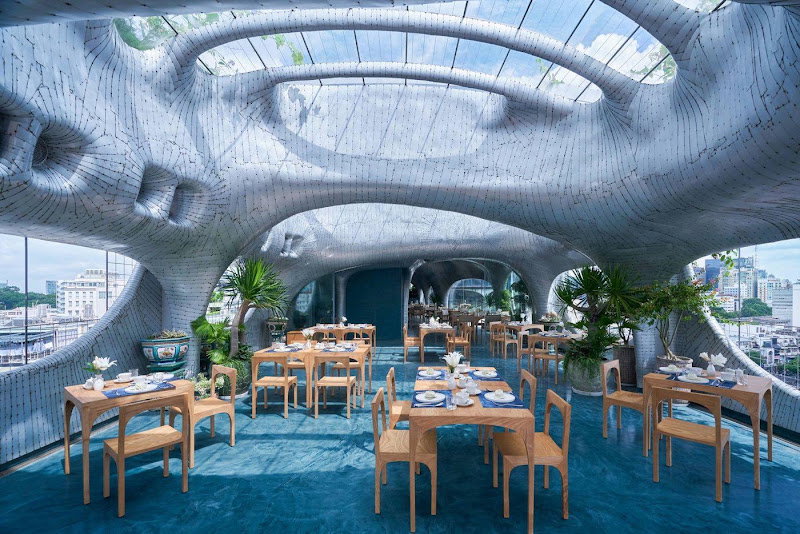
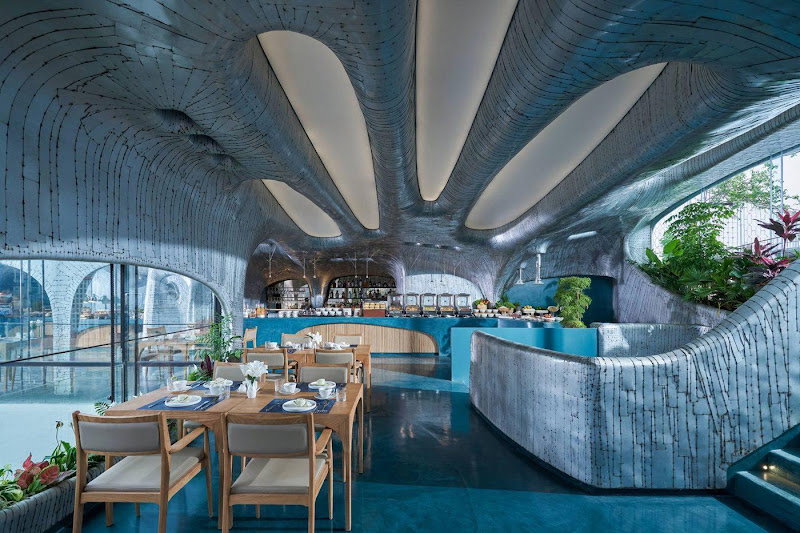
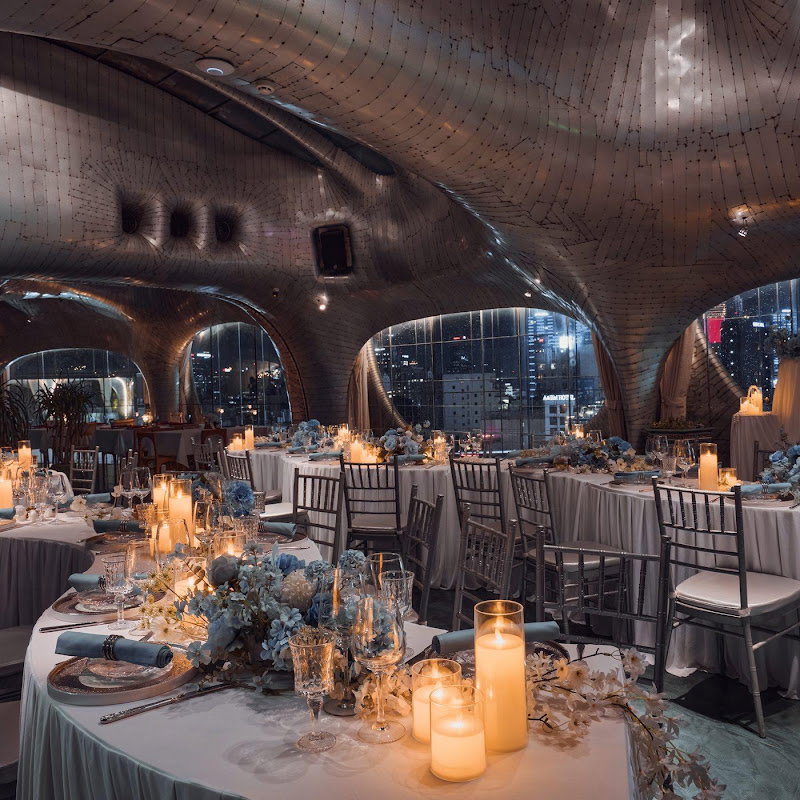
At Smith’s Kitchen & Bar, the space itself carries part of this story. The winding curves of raw iron throughout the restaurant’s open layout are a tribute to skilled local blacksmiths, echoing the same spirit as the kitchen: taking something raw and familiar, like Ca Mau shrimp or Nghe An sesame, and turning it into something refined enough to hold its own on an international menu. That design earned Smith’s Kitchen & Bar the Gold Award at the VMARK Vietnam Design Award 2025, followed later that year by three more honors at the Luxury Restaurant Awards 2025: Most Romantic Ambience in Asia, Outstanding Architecture in Asia, and Best Innovative Dining Concept in Vietnam.
Visiting Smith’s Kitchen & Bar
Located on the 12th floor, about a one-minute walk from Ben Thanh Market and overlooking the square in front of the city’s Metro Line 1, Smith’s Kitchen & Bar serves daily breakfast buffet from 6:30 AM to 10:00 AM, daily afternoon hi-tea buffet from 2:00 PM to 3:30 PM, and an à la carte menu with full bar service from 11:00 AM to 2:00 PM and 5:00 PM to 11:00 PM. Both the food and drink menus are updated seasonally.
For company events or private parties that call for a 12th-floor setting in central Saigon, Silverland Banquet runs Smith’s own banquet page with booking information and event planning details.
Frequently Asked Questions
Where is Smith’s Kitchen & Bar located?
Smith’s Kitchen & Bar is on the 12th floor of Silverland Ben Thanh Hotel, at 14-16 Le Lai Street, Ben Thanh Ward, Ho Chi Minh City. The restaurant is about a one-minute walk from Ben Thanh Market and overlooks the square in front of the city’s Metro Line 1, in the heart of District 1.
How is cooking with local ingredients different from traditional Vietnamese cooking?
Traditional Vietnamese cooking typically uses local ingredients within recipes shaped over generations, while modern cuisine uses the same ingredients but applies techniques or presentation styles drawn from other culinary traditions. Ca Mau shrimp is still Ca Mau shrimp, but prepared in the style of Spanish tapas, it delivers a completely different experience from the traditional preparation.
Who is the chef at Smith’s Kitchen & Bar?
The chef at Smith’s Kitchen & Bar is Henry Do, who builds his culinary approach around high-quality local ingredients combined with techniques from multiple international cuisines. The kitchen team refreshes the menu seasonally with carefully sourced ingredients.
Why are more upscale restaurants shifting toward local ingredients?
According to a recent industry report, 57 percent of diners across the Asia-Pacific region now prioritize meals built around local ingredients that celebrate regional culture. They help a restaurant tell a more authentic culinary story, while creating an experience that imported ingredients struggle to replicate.
Is Smith’s Kitchen & Bar suitable for corporate events or private parties?
Yes. Beyond daily dining service, the space at Smith’s Kitchen & Bar also hosts smaller gatherings and larger private events. Details on banquet services are available on Silverland Banquet’s dedicated Smith’s Kitchen & Bar page.
What awards has Smith’s Kitchen & Bar won?
Smith’s Kitchen & Bar received the Gold Award at the VMARK Vietnam Design Award 2025 for its restaurant design. Later the same year, it earned three more honors at the Luxury Restaurant Awards 2025: Most Romantic Ambience in Asia, Outstanding Architecture in Asia, and Best Innovative Dining Concept in Vietnam.
Closing Thought
Local ingredients modern cuisine is reshaping fine dining not because regional produce is cheaper than imported alternatives, but because it forces a chef to build a dish from scratch instead of repeating an existing recipe with a different ingredient swapped in. From Ca Mau shrimp in a Spanish-style gambas to shiso leaves in a Japanese gin cocktail, Smith’s Kitchen & Bar is a concrete example of how ingredients familiar to Vietnamese households can hold their own on an internationally minded menu, without trading away their identity to get there.
What else?

Silverland Yen Recognised Loved by Guests 2026 award by Expedia Group
Silverland Yen Hotel, part of Silverland Hospitality, has received the Loved by Guests 2026 award by Expedia Group, recognising the...

Yen Rooftop Bar: An Award-Winning Rooftop Bar in District 1
Yen Rooftop Bar, on the roof of Silverland Yen, won Luxury Rooftop View Hotel in South East Asia 2025. Hours,...

Best Coffee Shops for a Business Meeting in District 1
Four Bason Cafe locations in District 1, each suited to a different kind of business meeting: easiest to find, quietest,...